




Inside the Catalyst Series: Security, Accessibility, and Modernization
By: Patrick Richards, CPI Product Manager
The U.S. currency is about to undergo its most significant transformation in decades—and it’s not just about looks. The upcoming Catalyst Series is designed to make cash more secure, more accessible, and better aligned with global standards. Here’s what’s changing and why it matters.
Why the Name “Catalyst”?
This redesign isn’t a minor tweak—it’s a catalyst for change. The goal is to modernize U.S. currency to meet today’s demands for security, inclusivity, and international compatibility. Counterfeiting remains a global challenge, and as technology advances, so must the tools we use to protect commerce.
Security: Raising the Bar
The new notes are expected to feature a combination of visible and invisible security enhancements:
- Visible Features:
- Holograms
- Color-shifting ink
- Microprinting
- 3D security ribbons
- Watermarks
- Invisible Features:
- Magnetic ink
- UV and infrared markers
- Embedded security threads
These upgrades will make U.S. notes harder to counterfeit and easier to authenticate—both manually and through advanced cash-handling devices.
Accessibility: A First for U.S. Currency
For the first time, U.S. notes will include tactile features to help visually impaired individuals identify denominations by touch. Think of it as a subtle, raised texture—not full Braille, but enough to distinguish bills without sight. This change brings the U.S. in line with accessibility standards already adopted in other countries.
Global Alignment
The U.S. dollar is the world’s most trusted currency, and these updates ensure it remains secure and recognizable worldwide. Many international currencies already use advanced features like holograms and transparent windows. The Catalyst Series will close that gap, reinforcing confidence in U.S. cash across global markets.
What This Means for Businesses
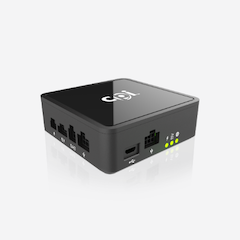
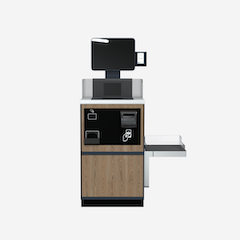
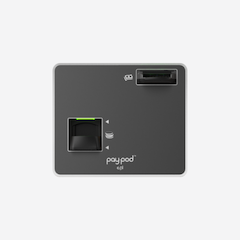
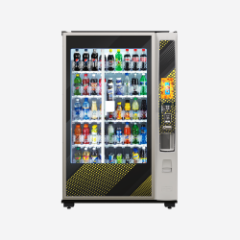
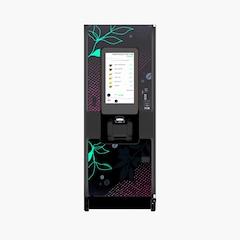
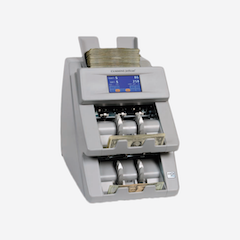
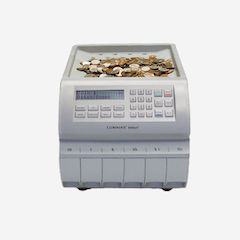
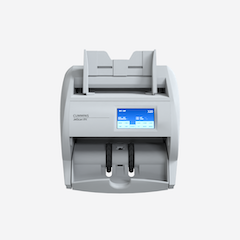
These changes aren’t just cosmetic—they impact every cash-handling device in the country. ATMs, self-checkouts, vending machines, and back-office counters will all need updates to recognize and validate the new notes. Retailers should start planning now for software upgrades and staff training to avoid disruptions when the first note—the $10 bill—arrives in late 2026.
Fast Facts
- First Note: $10 bill (2026)
- Total Notes: 5 redesigned denominations over 8 years
- Accessibility: Tactile features for visually impaired users
- Security: Advanced visible and invisible anti-counterfeit tech