













U.S. Catalyst Series- How the New Notes Will Enter Circulation
By: Patrick Richards, CPI Product Manager
The U.S. currency redesign is coming—but not all at once. The Catalyst Series will roll out gradually over eight years, starting in late 2026. This phased approach ensures a smooth transition for consumers, businesses, and the technology that supports cash transactions.
Why a Staggered Rollout?
Unlike some countries that refresh all denominations at once, the U.S. takes a phased approach. This allows time for:
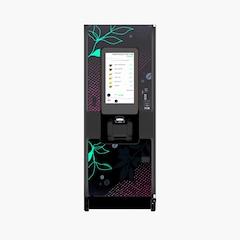
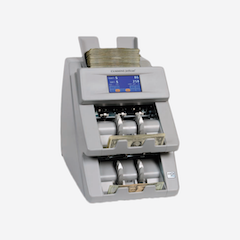
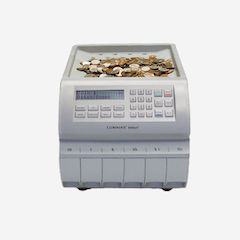
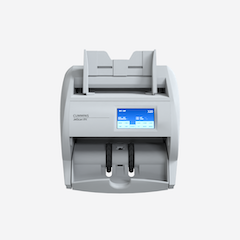
- Device Updates: ATMs, self-checkouts, vending machines, and back-office counters need software upgrades to recognize new notes.
- Staff Training: Cashiers and tellers must learn to identify new security features.
- Consumer Education: Preventing confusion and counterfeit risk during the transition.
The TimelineHere’s how the new notes will enter circulation:
- 2026: $10 bill
- 2028: $50 bill
- 2030: $20 bill
- 2032: $5 bill
- 2034: $100 bill
The $1 and $2 bills will remain unchanged.
Why Start with the $10 Bill?
The U.S. Catalyst currency refresh is rolling out in the order of $10, $50, $20, $5, and $100 based on a mix of security, operational, and accessibility priorities. The $10 bill comes first because it’s widely circulated but less critical for high-value transactions, making it ideal for introducing new security and tactile features with minimal disruption.
The $50 follows before the $20 because recent risk assessments flagged it as more vulnerable to counterfeiting, and it serves as a bridge denomination to validate advanced features without overwhelming global cash-handling systems.
The $20, being the most used note in ATMs and retail, is delayed until 2030 to avoid massive logistical challenges until technology and machine upgrades are proven.
Lower denominations like the $5 naturally follow due to shorter lifespans, while the $100, which is critical for international reserves and the most counterfeited globally, is saved for last to ensure maximum stability and confidence.
This phased approach balances risk mitigation, operational readiness, and accessibility compliance.
What Happens Next?
When the Bureau of Engraving and Printing releases a new note, it first goes to Federal Reserve Banks, then to commercial banks, and finally into retail circulation. This process can take weeks to months before most businesses see the new bills regularly.
For past redesigns, it often took 6–12 months for a new denomination to become common in everyday transactions. High-volume notes like the $20 will spread faster than the $50 or $10, but still not overnight.
Once the first note enters circulation, expect a gradual introduction through:
- ATMs and bank withdrawals
- Self-checkout machines
- Retail cash transactions
Old notes will remain valid, so there’s no need to exchange them. Over time, worn bills will be replaced naturally.
Fast Facts
- First Note: $10 bill (late 2026)
- Last Note: $100 bill (2034)
- Total Duration: 8 years
- Approach: Staggered rollout for security and readiness